Photo Durham Logo - Link to Home Page
Showing posts with label echolocation. Show all posts

Thursday, January 27, 2011

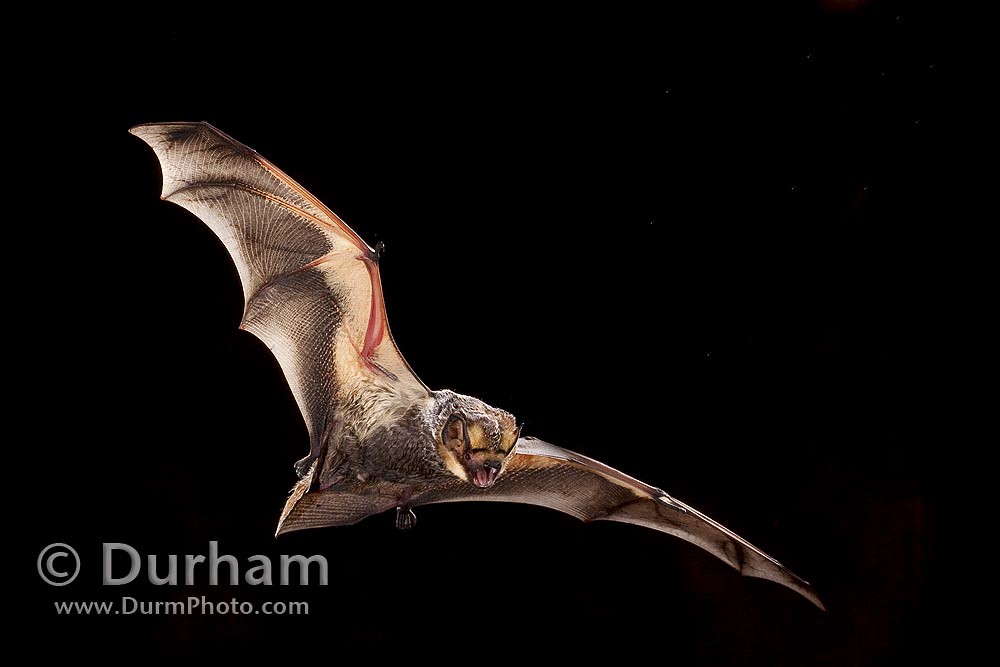
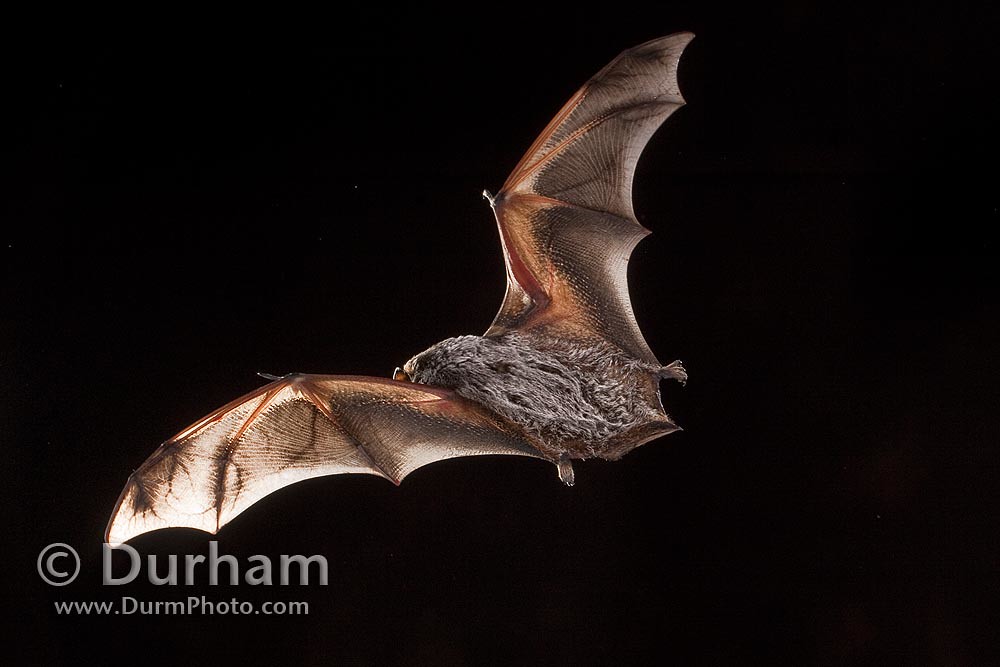
Hoary Bat (Lasiurus cinereus)

Photographed while I was in the Chattahoochee National Forest near the Conasauga River, Georgia. I have photographed hoary bats before on the West coast where they are much more common. This male was particularly beautiful however. 
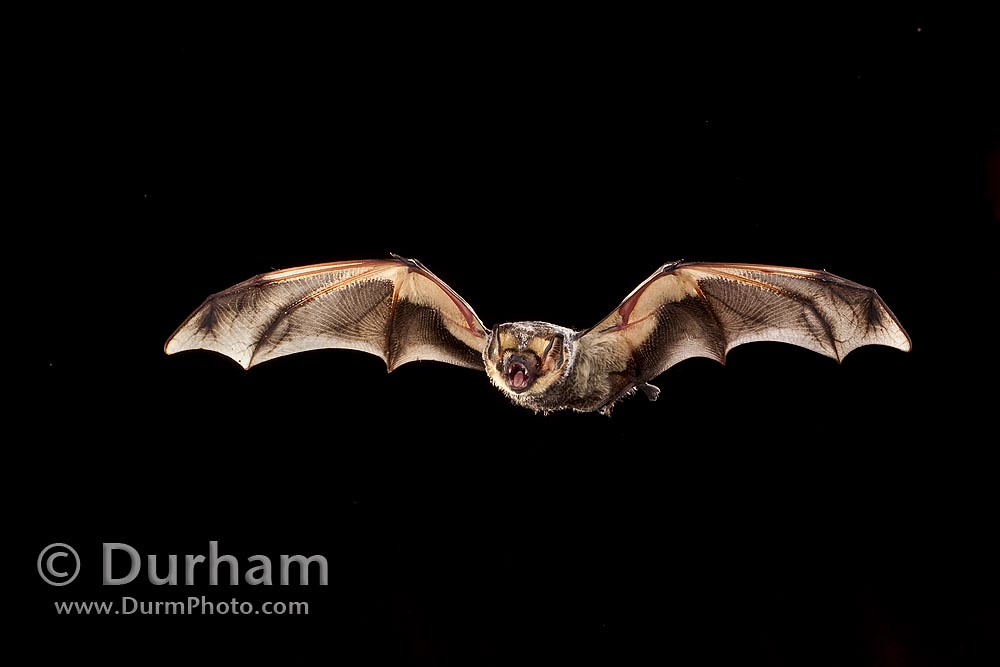
hoary bat (Lasiurus cinereus)
a href="http://www.flickr.com/photos/oregonwild/4892788840/" title="hoary bat (Lasiurus cinereus) by Michael Durham, on Flickr">hoary bat (Lasiurus cinereus)
hoary bat (Lasiurus cinereus)

hoary bat (Lasiurus cinereus)

Thursday, March 11, 2010

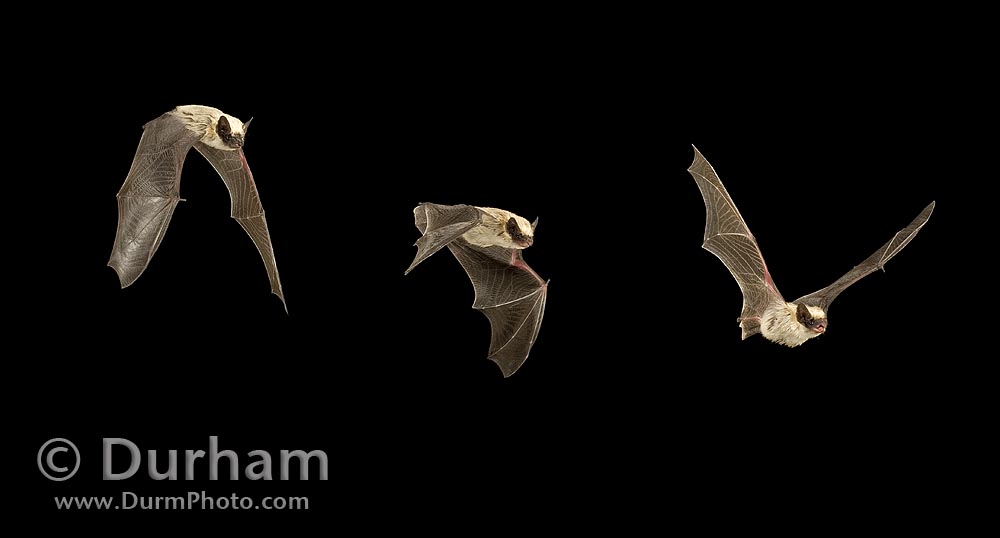
Canyon Bat (Parastrellus hesperus) – What's In A Name?

Naming creatures of the wild is no easy task. When Carolus Linnaeus (1707 - 1778) famously created the classification and naming conventions we still use today, animals were labeled using a mishmash of greek, latin and common names that varied from region to region.


The truth is that classifying and naming animals is still a great challenge to this day.


A case in point: the western pipistrelle bat (Pipistrellus hesperus) is now to be called the canyon bat (Parastrellus hesperus). Biologists had good reason to do this in 2006 after genetic tests revealed that it was unrelated to the eastern pipistrelle.


I still stumble whenever I have to say the bat's name outloud...


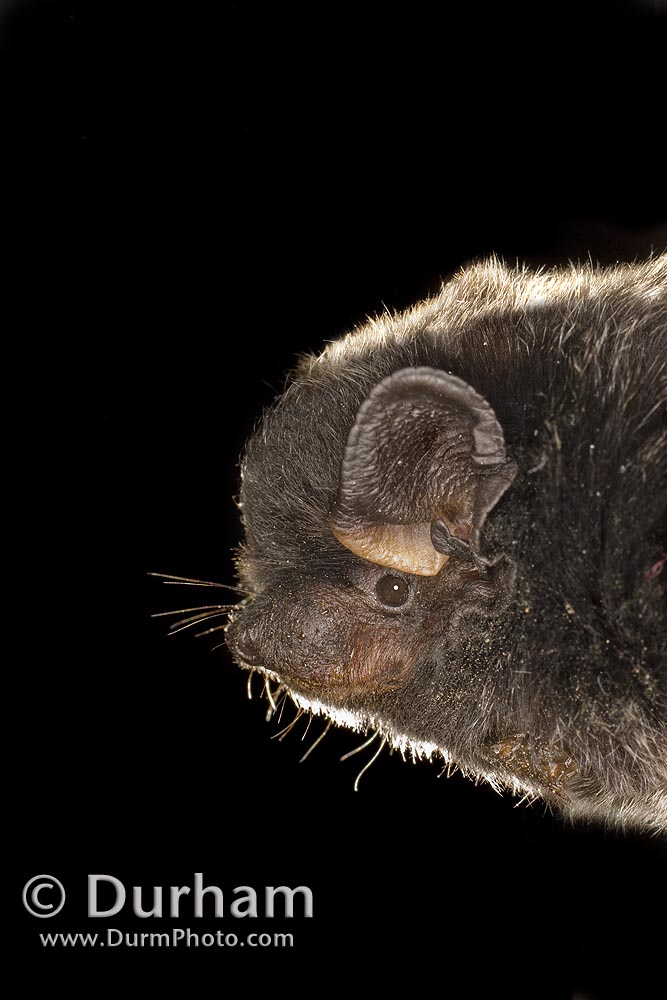
Canyon Bat (Parastrellus hesperus)

Wednesday, July 02, 2008

Silver-haired bat (Lasionycteris noctivagans)

I have worked with many different species of bats through the years and there are some species that can be challenging to distinguish from one another. Primarily, the small myotis species can look very similar - however, as I spend more time with bats it becomes clear that most are uniquely interesting (such as my favorite the spotted bat). One such bat is the silver-haired bat:

61008BT-10-1
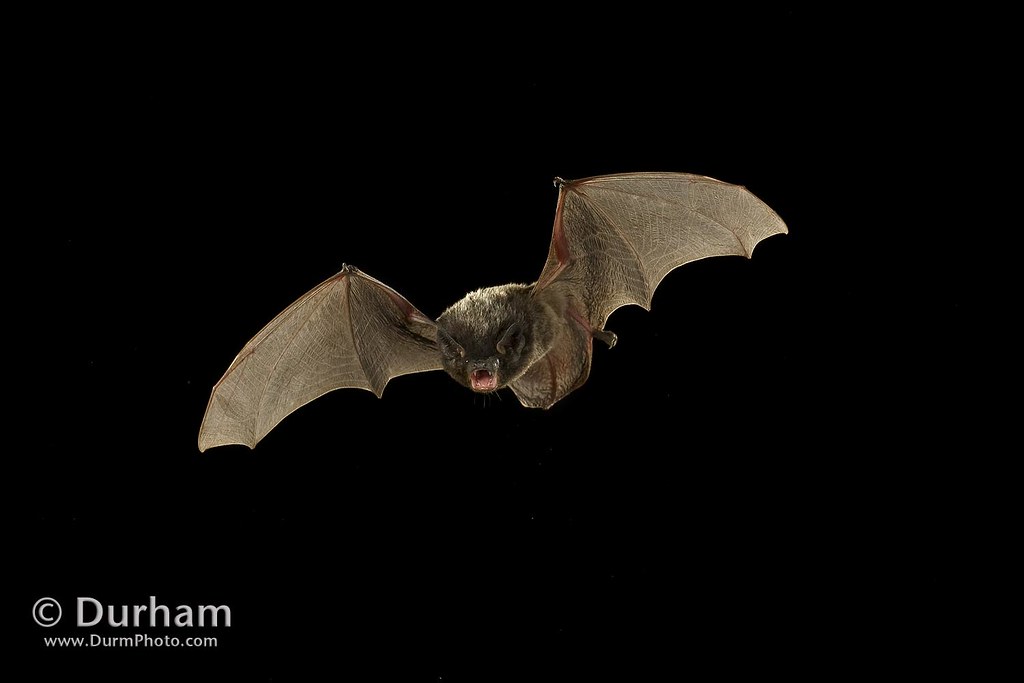
Silver-haired bat (Lasionycteris noctivagans)


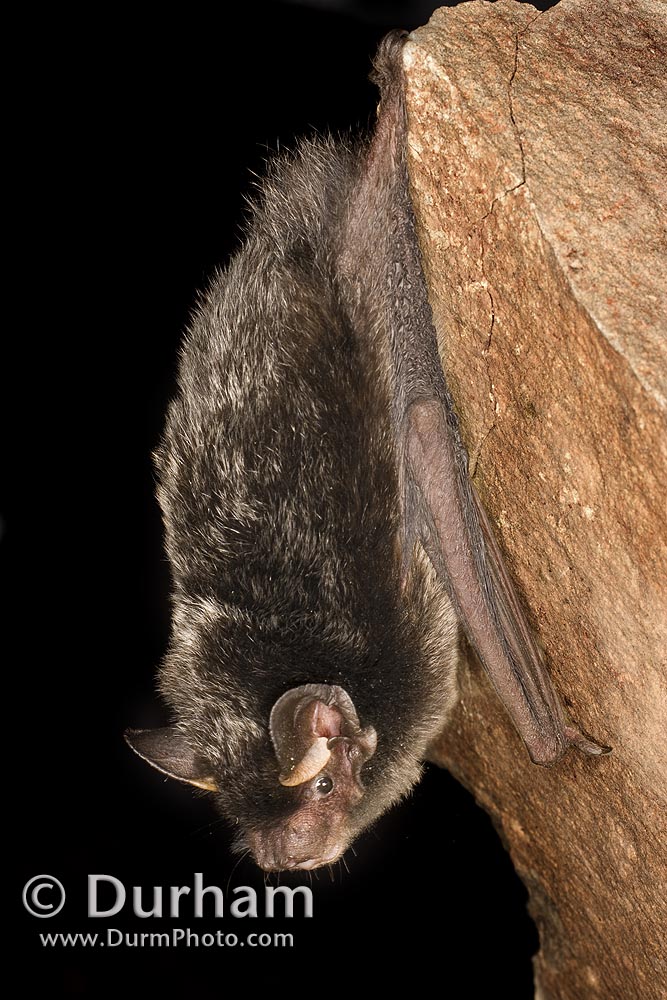
Their name is derived from the frosty patch of pelage that runs along their back. There can be considerable variation in adult fur color and the "silver hair" is most visible in the darker individuals.

61008BT-51
Silver-haired bat (Lasionycteris noctivagans)


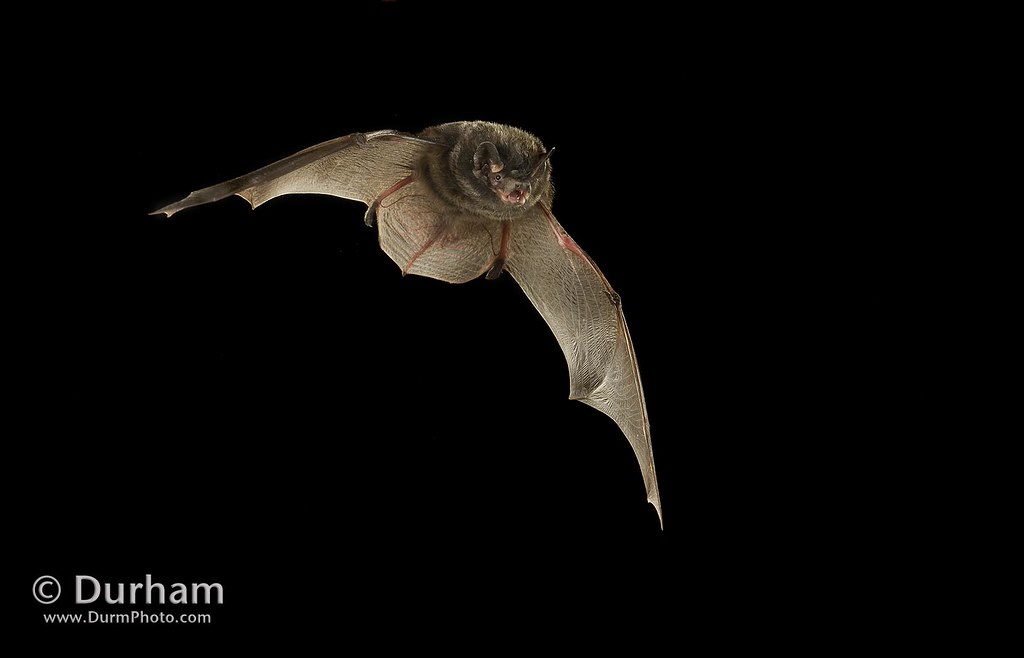
I have come across these bats on many occasions, but have found it frustrating to try and get good images of them. Mostly, I think, its their contrarian personality. When I try to get portraits they fly away. When I try to get flight shots, they decide to remain on their perch. No other bat has ever given me such a difficult challenge when trying to get images.

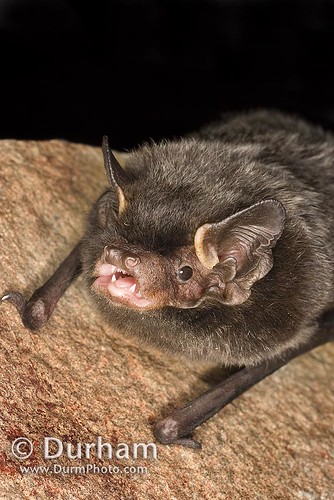
Yet they have a lot of personality - and an expressive face.

61008BT-27
Silver-haired bat (Lasionycteris noctivagans)


61008BT-27-1
Silver-haired bat (Lasionycteris noctivagans)


I finally found a silver-haired bat that was a willing subject - thanks to Barb Ogaard, a bat specialist and rehabilitator. This little bat was a fat, happy, and just getting out of rehab. And she was more than willing to exercise her wings in preparation for her upcoming release back into the wild.

61008BT-41

Silver-haired bat (Lasionycteris noctivagans)

Subscribe in a reader

Enter your email address:

Delivered by FeedBurner

Details About Me

Portland, Oregon, United States
Husband, Father, Student Of Natural History, Photographer