Photo Durham Logo - Link to Home Page

Thursday, February 18, 2010

Red Ichneumon Wasp (Ichneumonidae)

These small, delicate wasps are typically nocturnal and can often be seen around street lamps or other lights. This photograph resulted from an experiment in which the camera automatically recorded whatever came into range on a warm Texas evening. It appears very alien to me, and I love the body attitude as it flies toward the camera.


32109nbhs-28-Edit
red Ichneumon Wasp (Ichneumonidae)

Wednesday, February 17, 2010

Native Green Bee (Andrena ilicis)

This lovely native bee was buzzing around the blooms of a flowering tree in Travis County, Texas. 


32909BFHs-202
native green bee (Andrena ilicis)


32909BFHs-177
native green bee (Andrena ilicis)


Notice this older worker (below), covered in pollen and with tattered wings, as she approaches the end of her useful life.


32909TCHm-97

Tuesday, February 16, 2010

Camouflage Moth (Noctuoidea) – Disappearing In Plain View

This moth has evolved the neat trick of looking like a twig by day. Looks pretty effective to me...

32109clb-57
camouflaged moth

Monday, February 15, 2010

A Goofy Looking Insect - The White-Headed Fly (Archytas apicifer)

Insects are almost always interesting in one way or another – at least for me. It is not lost on me that many people find the crawling, flying and creeping denizens of the insect world creepy if not completely revolting.


Nonetheless, it is rare that an insect makes me laugh. This little white-headed fly seems to have an abundance of personality simply because it has a face that can be anthropomorphized – an unusual occurrence in the world of diptera (flies)


32909TCHi-239


32909TCHi-238


32909TCHi-119


32909TCHi-21
white-headed fly (Archytas apicifer)

Sunday, February 14, 2010

Mima Mounds


An aerial view of unusually regular mounds of earth and vegetation commonly refered to as "mima mounds". Their formative mechanisms continue to be a mystery. Photographed from the air in spring at The Nature Conservancy's Zumwalt Prairie Preserve in NE Oregon.


ZUMwlt-0000588
Mima Mounds on Zumwalt Prairie


Saturday, February 13, 2010

Phorid Fly (Pseudacteon obtusus)

As I mentioned in the previous post, imported red fire ants were introduced to the southern U.S. accidentally in the 1930's. They have no natural predators to keep their populations under control.

However the Fire Ant Project at the University of Texas is releasing the fire ant's natural predator from Brazil - the tiny phorid fly – into the areas around Austin and Dallas. There are several species, but they all parasitize the fire ant in a terrifying process that involves eating the ant's brain (from the inside) by a larva implanted by the phorid fly.

31709Timfa-2-1
imported red fire ant (solenopsis invicta)

The ants, despite being raised in North America where they have no predators, appear to have a instinctive fear of the fly. They respond with a panicked, defensive action that is usually ineffective.

phorid fly and imported red fire ants
Phorid Fly (Pseudacteon obtusus) hovering above imported red fire ants.

The fly picks an ant that would make a good host, and then hovers above looking for a good moment. When opportunity allows, it will drop suddenly and stab the ant with its ovipositor and implant a single egg. When the egg hatches, it makes its way to the brain and larva will devour the ant's brain until it dies or its head falls off. Nice huh?

Friday, February 12, 2010

The Red Imported Fire Ant (Solenopsis invicta)

If you have ever been to the southern part of the United States, you probably learned early on that it is not wise to sit in the grass for a picnic, or any other activity. Thanks to this vicious little insect, the imported red fire ant, many outdoor activities take on a certain edge of risk.


These ants are tiny and hard to spot, and since their accidental introduction to the U.S. in the 1930's, they have become a major pest. With no native predators to keep them in check, their populations have expanded through the southern part of North America.


Their little nest mounds are everywhere, and easy to spot if you know what to look for.


4109Smy-51
imported red fire ant (solenopsis invicta) nest mound

If you agitate the nest mound at all, they emerge in mass to defend their home.


4109Smy-90
imported red fire ant (solenopsis invicta) defensive reaction

For such a small ant they pack a powerful sting.


31709Timfa-18
imported red fire ant (solenopsis invicta)


Photographing the portrait below was not easy. I had to use a magnifying loupe to see which end of the ant was the front! 


110707SS-35F
imported red fire ant (Solenopsis invicta)

Thursday, February 11, 2010

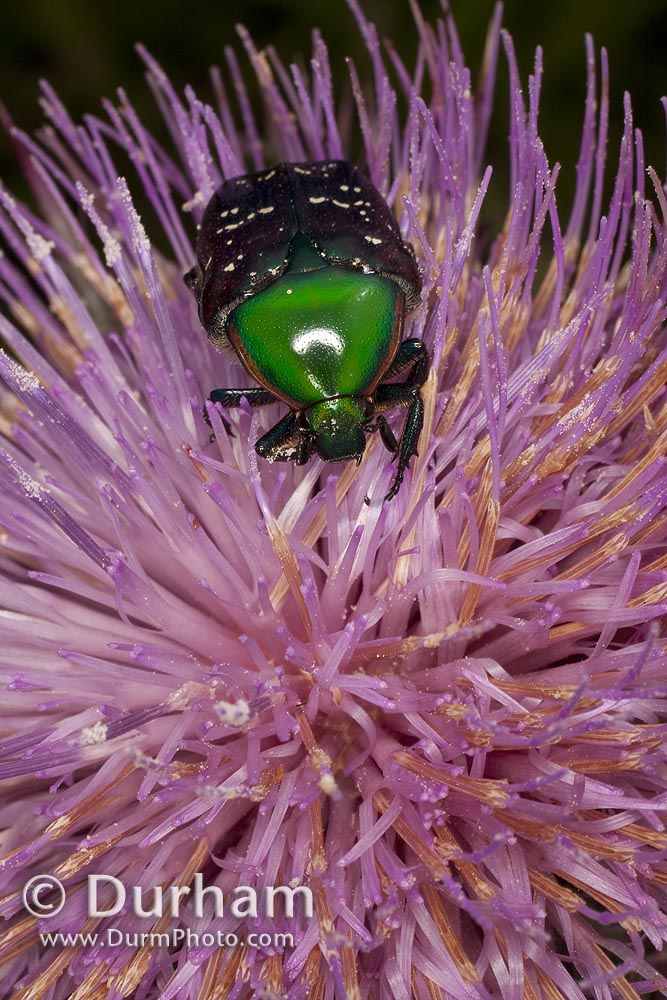
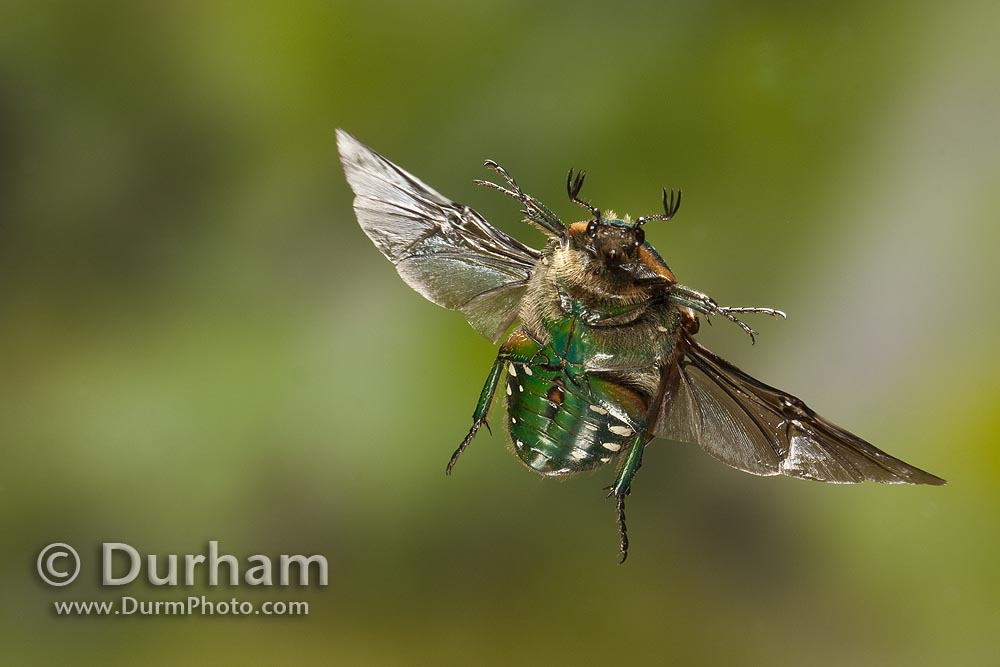
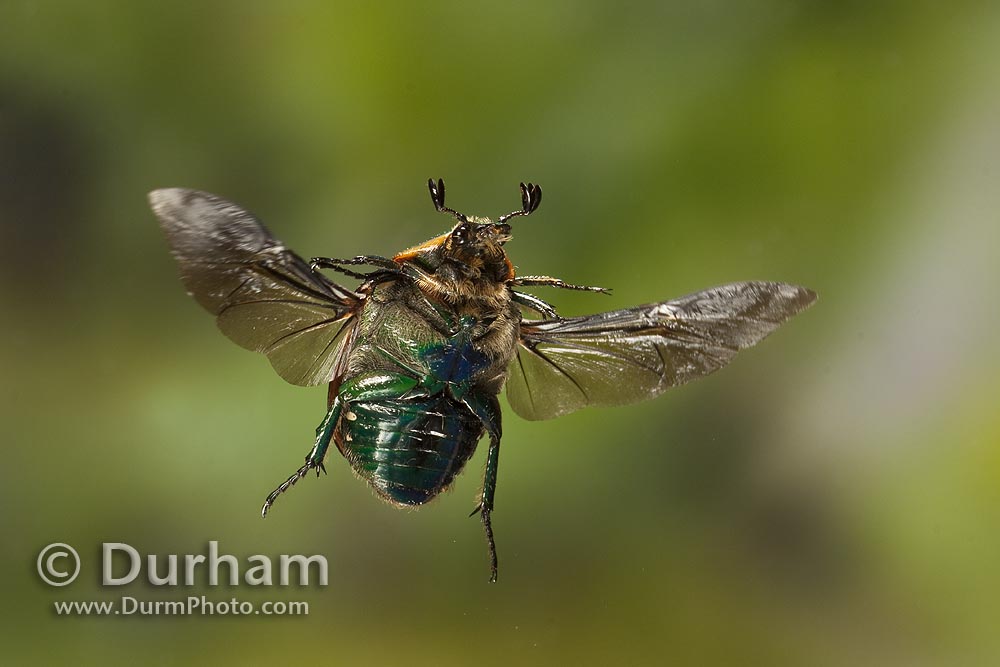
Euphoria Beetle (euphoria fulgida)


More than once, I have been startled by these colorful beetles. They fly with a noisy clack of the wings that at first, mimics the buzz of an angry bumble bee...


4109Smy-115
euphoria beetle (euphoria fulgida) collecting nectar from a thistle flower

32709efb-37-Edit
euphoria beetle (euphoria fulgida) in flight

32709efb-10-Edit
euphoria beetle (euphoria fulgida)

Wednesday, February 10, 2010

Stolen Cameras

For years I have been using custom built, remote camera systems to photograph elusive and nocturnal subjects.

I can still remember how elated I was to photograph a wild, nocturnal mountain lion at Zumwalt Prairie a few years back. Wild mountain lions are almost never photographed unless they have been trapped or cornered by dogs, so this image was a particular accomplishment.


Wild Mountain Lion
wild cougar (felis concolor) photographed at night.
From mountain lions to white-footed mice, I have refined the system constantly over the years to allow me to photograph a variety of subjects in a variety of situations.

71406Py1
white-footed mouse (Peromyscus leucopus)

Perhaps one of the most common subjects, by default, have been raccoons. They seem to be everywhere.

raccoon at night
a nocturnal raccoon (procyon lotor) on a game trail, arizona.

My systems are considerably more advanced and complicated than the average trail camera that can be purchased at Cabella's, and they often use fairly expensive digital cameras for image capture.

I have always known it was risk to leave this equipment out in the forest for weeks at a time. I would always evaluate the risk, and make a judgement call.

Despite being aware of the risk, I was a bit surprised to find my equipment stolen when I set up on a log bridge in Washington State. This is a remote location, and far off any trail. The equipment would have been very hard to spot tucked away under a fallen log.

Whoever stole the equipment smashed the weatherized camera housings, and then re-assembled them nearby – laid out neatly on a log. A message perhaps? The cameras were of course, gone. 

Below is the final test image taken before the equipment was stolen.

62509PAc-2

I have since built a new system, with some major improvements. Hopefully I can hang onto this one for a while.


Subscribe in a reader

Enter your email address:

Delivered by FeedBurner

Details About Me

Portland, Oregon, United States
Husband, Father, Student Of Natural History, Photographer